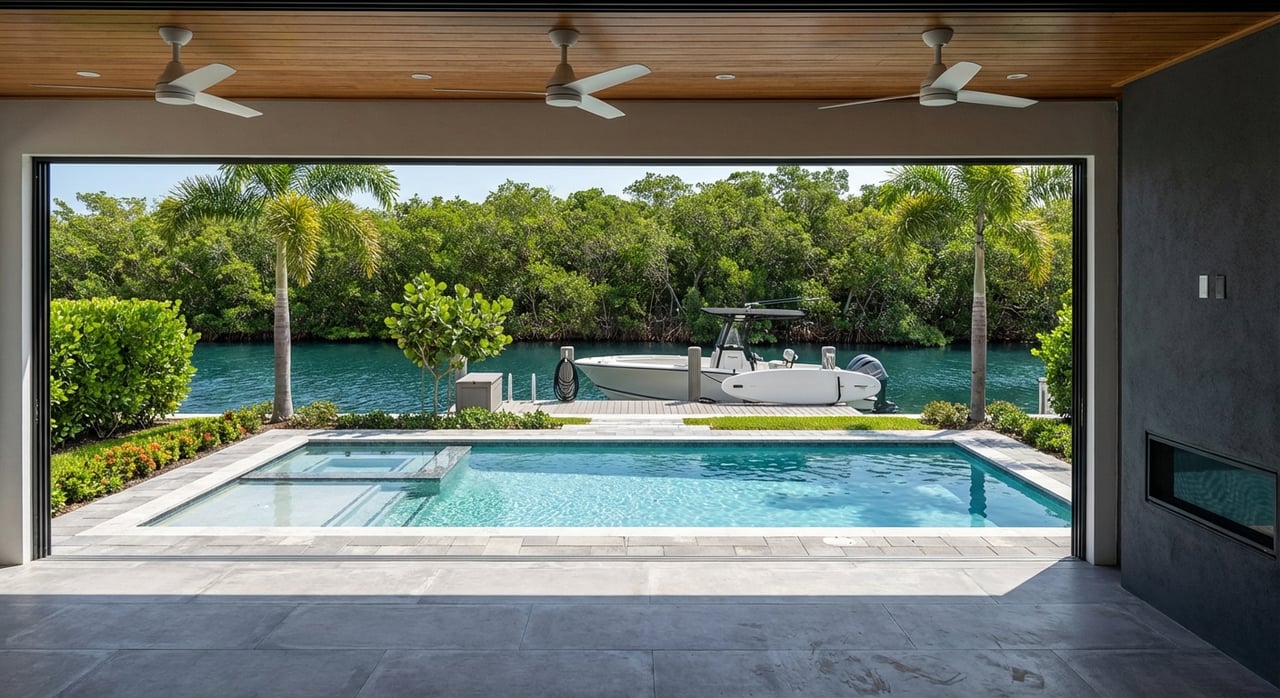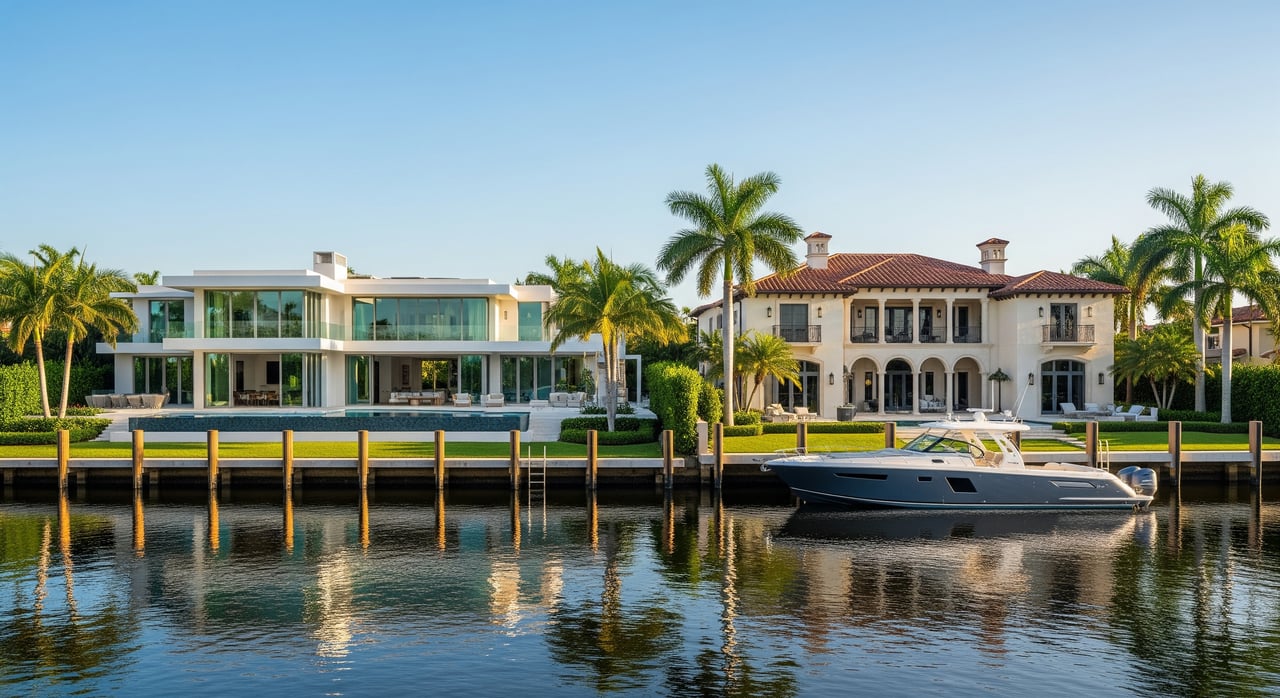
Own a boat and wonder if Lighthouse Point could be your perfect home port? You are not alone. This small coastal city offers a web of canals that link to the Intracoastal Waterway, quick access to ocean inlets, and a lifestyle built around days on the water. In this guide, you will learn how local access works, what to check in a waterfront property, how HOAs and permits come into play, and how to match your boat and routine to the right street and dock. Let’s dive in.
Why Lighthouse Point works for boaters
Lighthouse Point sits between Pompano Beach and Fort Lauderdale with man‑made residential canals that feed into the Intracoastal Waterway. The ICW offers a sheltered north to south route and connects you to ocean inlets for offshore runs.
Many owners here day boat or fish offshore, cruise short coastal legs, or plan longer trips to the Bahamas and Keys. Some keep vessels on private residential docks, while others choose nearby marinas and boatyards for larger yachts or transient stays. This mix gives you options as your boating needs change.
Seasonal and environmental factors matter. Broward’s tidal range is generally under 2 feet, but wind, tide, and storm surge still affect canal depths, clearances, and docking. Shoaling can also change channel depths after storms or over time. Plan with current data and recent local knowledge before moving a boat or finalizing a purchase.
ICW and ocean access basics
Most Lighthouse Point canals lead to the ICW, which is your backbone for short hops and fuel stops, or the path to an inlet. For ocean access, boaters commonly use Hillsboro Inlet to the north or the Port Everglades area inlets to the south. Your choice depends on your canal location, boat size and draft, and current shoaling and weather.
When you plan offshore days, check inlet conditions, tides, and forecast ahead of time. For narrow channels, confirm traffic patterns and any recent changes to markers. Electronic chartplotters are helpful, but cross‑check against official notices and local marina guidance to avoid surprises.
Bridge clearances and schedules
Broward County has a mix of fixed and movable bridges. Your route planning should start with your boat’s air draft, then compare it to posted vertical clearances on your route.
- Fixed bridges list a vertical clearance at mean high water. If your air draft exceeds that number, you cannot pass without waiting for lower tide or choosing a different route.
- Movable bridges, such as bascule or swing bridges, have opening schedules and procedures. Some open on signal, others on a timetable. Confirm the operating schedule before you go.
For current data, use official sources like NOAA charts and publications, the U.S. Coast Guard Local Notice to Mariners, and FDOT bridge tables. Always compare your air draft to posted clearances using the correct tidal datum and note that tides and wind can change your margin.
Marinas and boatyards nearby
You will find three broad categories of marine facilities in and around Lighthouse Point.
- Private yacht or boat clubs. Membership‑based facilities may offer slips, moorings, and club amenities. Slip supply can be limited, so ask about waitlists.
- Public and commercial marinas. Expect transient slips, fuel, pump‑outs, shore power, and sometimes repair or concierge services. Always call for current slip sizes, rates, and availability.
- Full‑service boatyards. For haulout, travelifts, bottom paint, engine and systems work, and electronics, look to nearby yards in Pompano Beach and Fort Lauderdale. Confirm haulout capacity and lead times before you schedule work.
When evaluating a facility, verify maximum LOA and beam, fuel types available, shore power options, pump‑out procedures, and haulout capacity. Policies and prices change, and many popular marinas manage waitlists.
What to look for at a waterfront home
Residential dockage varies widely across single‑family properties. Focus on the elements that affect safety, usability, and total cost of ownership.
- Seawall and bulkhead. The seawall retains your yard and supports your dock. Condition and permitting are critical for insurance and long‑term value.
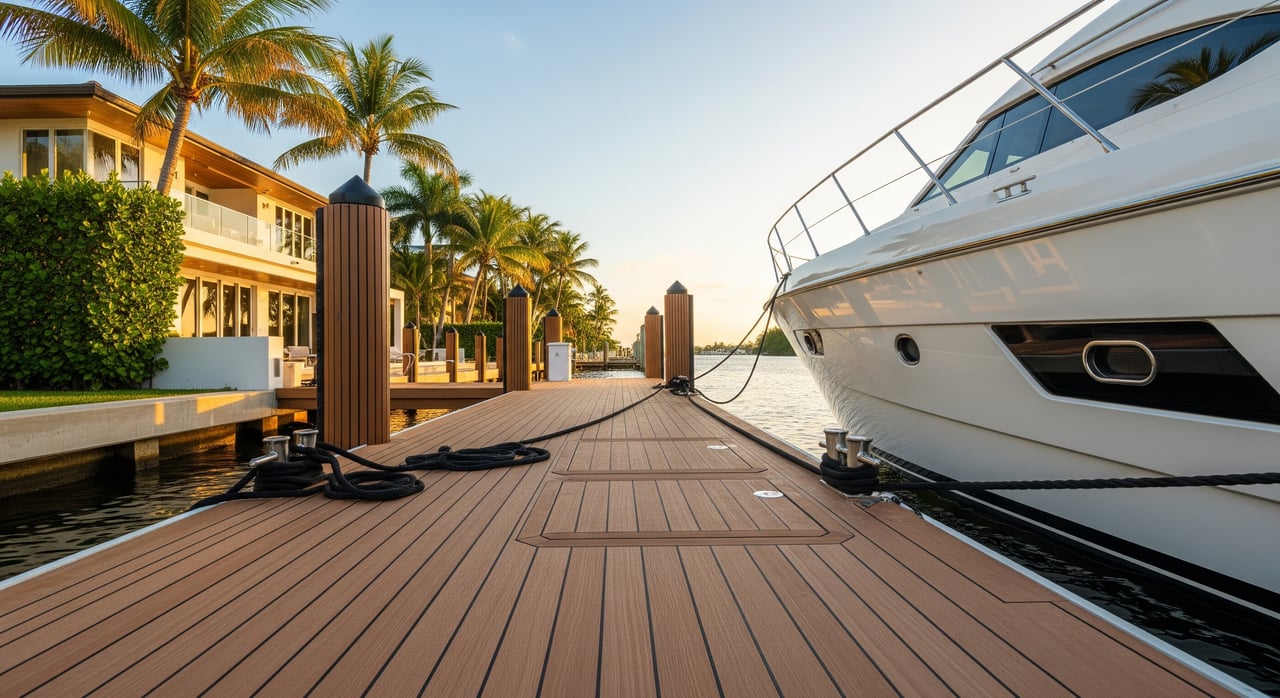
- Dock type and layout. Fixed docks are common and sturdy. Floating docks rise with the tide and can ease boarding. Finger piers increase access and tie‑up options. Measure usable length, finger spacing, and clearances to neighbors.
- Pilings, cleats, and protection. Pilings should be sized and driven to suit your boat and the wake environment. Check alignment, spacing, and hardware condition.
- Boat lifts and davits. Lifts are common for powerboats and reduce bottom maintenance. Capacity must match your boat’s weight, beam, and LOA, and age and condition matter.
- Utilities at the dock. Confirm shore power availability and amp rating, potable water, lighting, and any data lines. Older docks may not support higher‑amp service or multiple circuits.
Two site features matter as much as the dock itself. First, verify depth at the dock at mean low water and along your approach. Second, confirm there is enough turning room in the canal or basin to dock under typical wind and tide. These points often decide whether a property works for a larger center console, sportfisher, or sailboat.
Insurance can hinge on seawall and dock condition. Some carriers require repairs or upgrades as a condition of coverage. Build insurance timelines into your closing plan if inspection flags are likely.
HOA, permitting, and environmental rules
Many subdivisions and municipalities set rules for boat storage and dock use. Before you buy, get the HOA covenants and recent amendments that apply to the property. Common topics include boat size limits at private docks, the number of vessels allowed, appearance rules for covers and canopies, live‑aboard restrictions, and trailer storage.
Most new docks, lifts, or seawall work require permits. Expect approvals to involve the City of Lighthouse Point, Broward County, and possibly the Florida Department of Environmental Protection and the U.S. Army Corps of Engineers. Plans typically need engineered drawings and licensed contractors who know local codes and hurricane zone requirements. Electrical work at the dock must meet code.
Environmental protections also apply. Mangroves have strict rules. Work in seagrass areas may be restricted. Many waters enforce no‑wake zones and pump‑out requirements. Know the rules for your canal and plan upgrades accordingly.
Match your boat to the property
The right match starts with precise boat data and a methodical property review. Use this short checklist to keep decisions practical and fact‑based.
Buyer checklist
- Boat profile
- Document LOA, beam, draft, weight, and air draft.
- Dock and property survey
- Get as‑built dock measurements, seawall plan, and elevation. Confirm shore power amps, water, and lighting.
- Depth verification
- Measure depth at the dock and along the approach at mean low water. Ask about any recent dredging or shoaling.
- Clearance verification
- Compare your air draft to fixed bridge heights on planned routes and confirm movable bridge schedules.
- Maneuverability
- Confirm turning basin space and channel width for docking in typical wind and tide.
- Regulatory and HOA review
- Obtain HOA rules and municipal permits that limit boat type, size, lifts, or live‑aboard use.
- Upgrade feasibility
- If you need a larger lift or dock extension, verify permit pathways and construction constraints.
- Local service network
- Identify the nearest fuel docks, full‑service boatyards, parts sources, and qualified marine electricians.
- Insurance and costs
- Arrange a dock, seawall, and lift inspection. Get insurance pre‑checks and estimates for required work.
- Professional checks
- When in doubt, engage a licensed marine surveyor and seek input from a local harbormaster or captain.
Simple size rules
- Small bay and center consoles under about 30 feet. Most Lighthouse Point canals and docks can work if depth and finger spacing check out.
- Larger sportfish and motor yachts, 30 to 45 feet. Look for deeper canals, wider basins, longer usable dock length, and higher lift capacity if you plan to lift the vessel.
- Large yachts over 45 to 50 feet. Consider homes on wider basins with deeper drafts or private slips at full‑service marinas. Confirm any restrictions on commercial‑scale docks in residential areas.
Plan with real‑world data
Conditions on the water change. Shoaling, dredging, maintenance, and storm impacts can alter depths, bridge operations, and inlet behavior. The most reliable planning uses current NOAA charts and tide tables, U.S. Coast Guard Local Notices to Mariners, FDOT bridge resources, and direct confirmation from local harbormasters and marinas.
If you are moving a new boat into a private dock for the first time, consider a trial approach at mid to high tide with a local captain, and track depths and clearance margins as you go. Document what you learn for future trips and share notes with family or crew.
Buying in Lighthouse Point with confidence
Choosing a waterfront home here is about more than bedrooms and finishes. It is a match between your boat profile, your routes to the ICW and ocean, the dock and seawall in front of you, and the rules that govern how you use them. A disciplined approach helps you avoid costly surprises and gives you a home that works for both lifestyle and value.
If you want a data‑driven partner for this search, The James & Sean Group pairs neighborhood knowledge with a finance‑first advisory style. We help you weigh property features, HOA and permitting considerations, and long‑term resale value so you can buy the right home at the right number. Ready to talk through your plan and timing? Connect with The James & Sean Group and schedule a complimentary market consultation.
FAQs
What is the best ocean inlet for Lighthouse Point boaters?
- Boaters commonly use Hillsboro Inlet to the north or the Port Everglades area inlets to the south, and the right choice depends on your starting canal, boat size and draft, and current shoaling and weather.
How deep are Lighthouse Point residential canals for docking?
- Depths vary by canal and change with tides and shoaling, so verify depth at mean low water at the dock and along the approach; many canals suit 18 to 35 foot dayboats, while larger yachts need deeper canals and wider basins.
Do I need permits to add a boat lift or rebuild a dock in Lighthouse Point?
- Yes, most dock, lift, or seawall work requires approvals from the City of Lighthouse Point, Broward County, and possibly the Florida DEP and U.S. Army Corps of Engineers, with engineered drawings and licensed contractors.
What dock utilities should I expect at a single‑family home?
- Most residential docks offer potable water and shore power, but amp capacity varies and older docks may be limited, so confirm available 30A, 50A, or higher service and consider marina options if your boat needs more power.
Are live‑aboards allowed at private docks in Lighthouse Point?
- Rules vary by HOA and local ordinances, and many communities restrict live‑aboards, so review governing documents and municipal rules before you commit.
How do bridge clearances affect sailboats and tall center consoles in Broward?
- Compare your air draft to fixed bridge heights listed at mean high water and confirm movable bridge opening schedules using official USCG and FDOT resources before you plan routes.