Should you buy brand‑new or go with a great resale in Boca Raton? If you are weighing move‑in timing, customization, long‑term costs, and risk, the choice can feel complex. You want a home that fits your lifestyle and a purchase that makes financial sense. In this guide, you will learn how new construction and resales compare in Palm Beach County, what costs to model, and how to align the decision with your goals. Let’s dive in.
Boca Raton market context at a glance
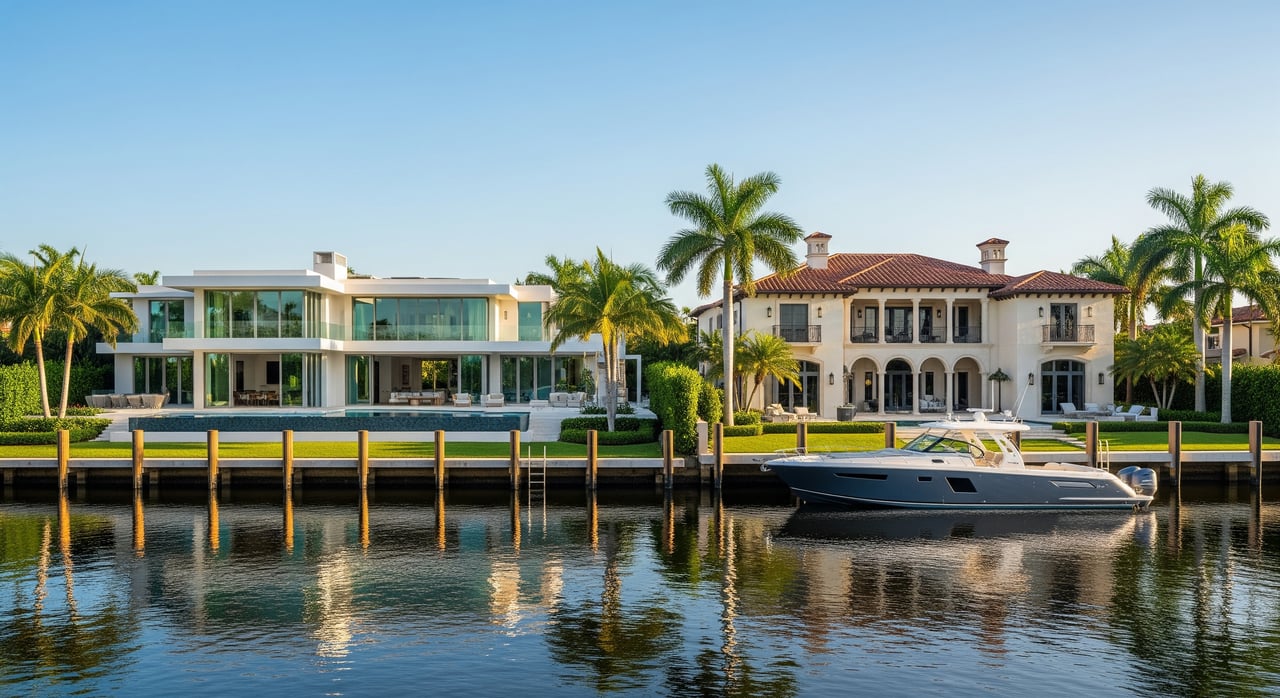
Boca Raton offers a wide mix of homes, from gated single‑family communities and garden‑style condos to coastal luxury towers. Along the coast, you will see amenity‑rich buildings and new‑luxury condo projects. Inland areas include master‑planned neighborhoods and established resales with larger lots.
Since 2020, South Florida demand has been strong, with supply tight at times. Mortgage rate increases in 2022 and 2023 cooled activity, and construction costs rose, then showed mixed moderation. To track the latest pricing and inventory trends, review the monthly updates from Florida Realtors market reports.
Insurance is a major factor across Palm Beach County. Coastal exposure, windstorm coverage, and flood risk influence premiums and underwriting. For context on availability and trends, use the Florida Office of Insurance Regulation and check your specific flood zone with the FEMA Flood Map Service Center.
Total cost of ownership: what to compare
Buying new or resale in Boca Raton is not just about the sticker price. Compare the full cost of ownership across these categories.
Price and builder premium
New construction often carries a price premium for builder profit, compliance, and amenities. In many cases, price per square foot is higher than comparable resales. Resales can offer value when well priced, especially if you are open to light updates.
Closing costs and financing
With new builds, financing can include construction draws, interest during the build, or builder‑preferred lender terms. Builders may offer incentives like closing cost credits, rate buydowns, or upgrade packages. Resales usually follow a straightforward 30 to 60 day close if financing, with possible seller credits.
Property taxes and assessments
In Palm Beach County, new homes are typically assessed near current market value after completion, which can result in higher taxes than an older property that has increased incrementally over time. Resales do not pass along the seller’s homestead exemption; you must file your own. For parcel‑level estimates, use the Palm Beach County Property Appraiser.
HOA and condo fees
Luxury towers often have higher monthly fees due to amenities, staffing, insurance allocations, and shared utilities. Gated single‑family communities vary, and newer developments may bundle more services into dues. In new projects, fees can start low during sales phases and rise after developer turnover. For legal context on governance and reserves, see Florida Statutes Chapter 718 (Condominium Act) and Chapter 720 (Homeowners’ Associations).
Insurance and risk
Florida homes often require wind coverage and may require flood insurance depending on location and lender rules. New construction can benefit from code‑compliant materials, impact openings, and roof straps that may lower premiums. Older buildings and some condo associations can face higher master policy costs. Start carrier quotes early and reference the Florida Office of Insurance Regulation and your flood zone on the FEMA map portal.
Maintenance and capital needs
New homes usually have lower near‑term maintenance and warranty protection for systems and structure. Resales can be turnkey if recently updated, but older homes may need near‑term work on roofs, HVAC, windows, or electrical systems. In condos, study reserve reports and recent capital projects to avoid surprise assessments.
Energy and utilities
New builds often include efficient HVAC, insulation, and appliances, which can lower utility costs. Larger floor plans and pools can increase consumption, so model both ways. In some condos, water or cable is included in monthly dues; note what is included when you compare.
Finishes, flexibility, and timing
Customization and finishes
New construction lets you choose finishes during design or early build stages. Customization adds cost, but you can align the home with your style from day one. Resales depend on past owners; some luxury resales are move‑in ready with high‑end finishes already in place.
Timelines and permitting
Resales typically close within 30 to 60 days if inspections and loan approvals are smooth. New construction timelines vary: move‑in ready specs can close quickly, quick‑delivery homes may be a few months out, and build‑to‑order homes can take 6 to 18 months or more. Permitting, inspections, subcontractor availability, and hurricane season can influence timing. Check local processes with the Palm Beach County Building Division.
Warranties and post‑closing
Builders often provide tiered warranties, such as one year for general items, two years for systems, and ten years for structural components, depending on the builder. You will complete punch lists and schedule warranty work in set windows. In resales, protection depends on negotiated home warranties and remaining manufacturer coverage.
Negotiation dynamics and transaction risk
Pricing leverage and incentives
Builders may hold firm on base prices but negotiate on upgrades, rate buydowns, or closing credits, especially if sales slow or inventory grows. Resale negotiations revolve around price, inspection credits, and timelines. Market cycle and property uniqueness drive leverage on both sides.
Inspections, disclosures, and contingencies
In resales, standard inspection contingencies allow you to renegotiate or walk away if major issues arise. Seller disclosures and inspection reports are key tools. New builds often limit formal inspection points to walkthroughs and warranty lists, so review the builder contract for your rights and remedies.
Appraisals and financing risk
Both new and resale purchases require appraisals if you finance. Unique or amenity‑heavy properties can appraise differently than expected. Builders may help bridge appraisal gaps with credits or price adjustments, while resale sellers may negotiate or request additional cash to close.
Title, HOA, and legal review
In new subdivisions, verify entitlements, community covenants, and any infrastructure obligations or special assessments. For condos and resales, review meeting minutes, pending litigation, insurance coverage, and reserve funding plans. Florida’s increased focus on building safety and reserves means careful document review is essential for condo buyers.
Decision framework: choose what fits your goals
Start with your priorities, then stack options side by side. Use the metrics below to make an apples‑to‑apples comparison.
Key metrics to collect
- Purchase price, builder incentives, and upgrade costs
- Net price per square foot after incentives and options
- Closing costs, including any construction‑period interest
- Estimated property taxes using the county appraiser tools
- Monthly HOA or condo dues, what they include, and increase history
- Association reserves, recent assessments, and upcoming capital projects
- Insurance quotes for homeowner, wind, and flood
- Estimated annual maintenance reserve and potential capital items
- Energy and utility estimates or past bills
- Timeline to occupancy and remedies if delayed
- Warranty coverage, duration, and claim process
- Comparable sales in the immediate area over the last 6 to 12 months
Quick decision guide
- Choose new construction if you value customization, brand‑new systems, modern codes, and can accept a longer timeline. Incentives and warranties can reduce near‑term costs.
- Choose a resale if you want move‑in timing, established locations, mature landscaping, and the chance to capture value with updates. Inspections, disclosures, and comps offer negotiation clarity.
- If value per square foot is a priority, focus on resales and lightly dated homes where improvements can create equity. For amenity‑first living, quantify the recurring cost of HOA and condo services.
How we help you compare options
A smart decision blends lifestyle with numbers. Our team brings a finance‑first approach to help you compare true costs and risk across both paths. We gather the right documents, build a clear side‑by‑side, and negotiate based on what matters to you.
What we can do for you:
- Price and comp analysis tailored to your micro‑market
- Pro forma total cost of ownership for each property you tour
- Coordination with experienced local lenders on new construction and condo financing
- Insurance quote guidance and flood zone review using official resources
- HOA and condo document review for reserves, budgets, and assessments
- Strategy on upgrades, credits, and timelines, including builder incentive modeling
If you want a disciplined, data‑driven plan for your Boca Raton purchase, connect with The James & Sean Group for a complimentary consultation.
Helpful local references
- Review monthly trends with the Florida Realtors market reports
- Confirm your parcel, taxes, and exemptions at the Palm Beach County Property Appraiser
- Check flood zones and elevation on the FEMA Flood Map Service Center
- Understand insurance landscape via the Florida Office of Insurance Regulation
- Learn permitting steps at the Palm Beach County Building Division
- Track construction trends with the National Association of Home Builders
- See Florida’s condo and HOA statutes: Chapter 718 and Chapter 720
FAQs
Is new construction more expensive in Boca Raton?
- New builds often carry a premium for land, compliance, and amenities, while resales can offer better price per square foot depending on condition and location.
How do HOA and condo fees compare in new vs older buildings?
- New projects may set initial fees to attract buyers, then adjust after turnover; older buildings reflect current operating costs and reserves, and some may levy special assessments.
What should I know about insurance for Boca Raton homes?
- Factor wind and, if applicable, flood coverage, and note that newer code‑compliant homes may qualify for mitigation credits that can reduce premiums.
How long does new construction take in Palm Beach County?
- Timelines range from a few weeks for move‑in‑ready specs to 6 to 18 months or more for build‑to‑order homes, subject to permitting, trades, and seasonal weather.
Do property taxes increase more on new homes?
- New construction is often assessed near current market value after completion, which can produce higher initial taxes than an older home that gained value gradually.
Can I negotiate with a builder?
- Builders sometimes hold on base prices but will negotiate on closing credits, rate buydowns, upgrades, or lot premiums, especially when inventory is higher.