If you picture mornings at the beach, coffee on a sunny sidewalk, and dinner where you can stroll home, Atlantic Avenue in Delray Beach may fit your lifestyle. You want energy, convenience, and easy access to culture without giving up the Florida coast. In this guide, you’ll get a clear look at daily life, housing choices, costs, and practical tradeoffs so you can buy with confidence near the Avenue. Let’s dive in.
Why Atlantic Avenue attracts buyers
Atlantic Avenue is Delray Beach’s main east–west corridor that connects downtown to the ocean. The area is known for a walkable, lively scene with restaurants, galleries, and services in a compact footprint. Many homes and condos sit within a 5 to 15 minute walk of both the Avenue’s storefronts and the municipal beach at the ocean end. If walkability and beach access are high on your list, this location delivers.
Daily rhythm on the Avenue
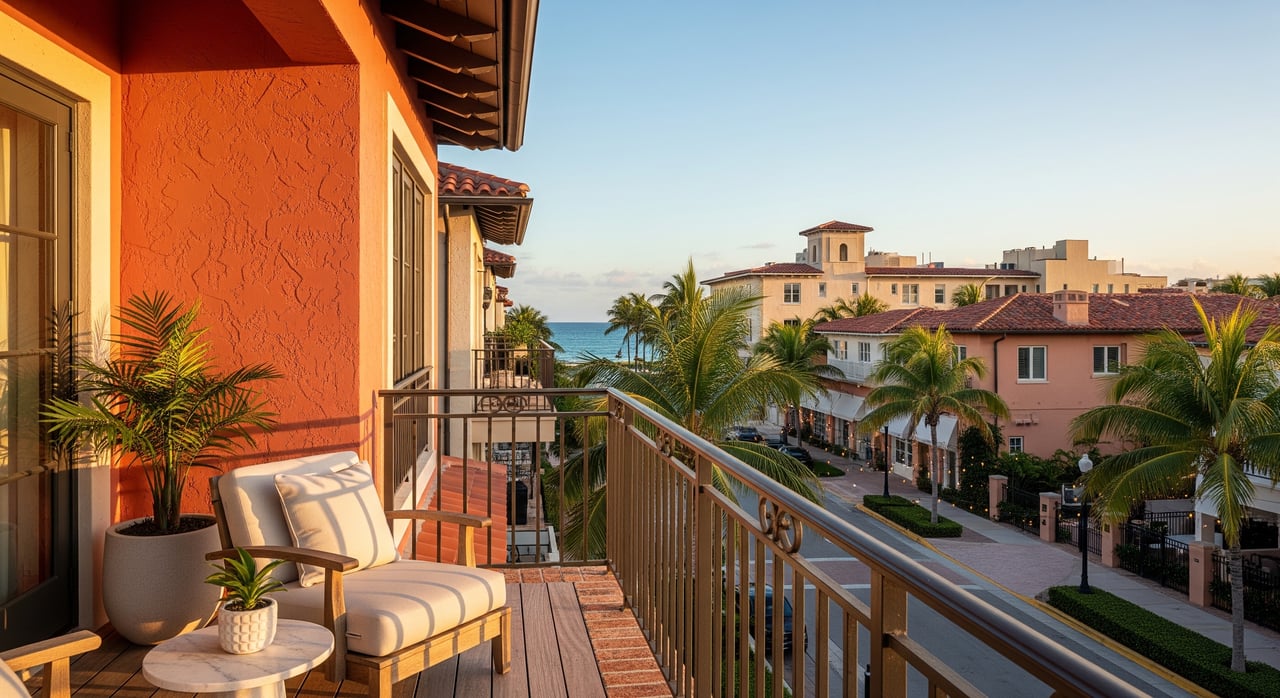
Atlantic Avenue functions like a classic main street. Sidewalks, frequent crosswalks, and street-level retail make errands and dining easy on foot. You’ll find casual cafés near the ocean, mid-range eateries and bakeries along the core, and upscale dining and cocktail spots dotted throughout.
Beach days are simple. The Avenue ends at Delray’s public beach and boardwalk area, with access to seasonal lifeguards and public facilities. Parks, a regional tennis center, and nearby recreation support an active routine.
Expect more activity on weekends and during high season from November through April. Outdoor dining, nightlife, and events create a fun scene, but also mean more foot traffic and noise than a typical suburban block. Public parking lots, municipal garages, and metered street parking serve the district, and individual buildings can have specific parking arrangements.
Culture and events
Year-round anchors
You can walk to a range of cultural institutions. Old School Square offers museums, galleries, and a theater with rotating programs. Arts Garage hosts music and performance, and the Pineapple Grove Arts District up the street features small galleries and public art. For local history, the Spady Cultural Heritage Museum adds context to Delray’s story. Near the beach, the Sandoway Discovery Center focuses on marine life. Morikami Museum and Japanese Gardens is a short drive away and is a major regional draw, and the Delray Beach Tennis Center anchors tournaments and recreation.
Seasonal flow and crowd levels
Regular activations include the Delray GreenMarket and gallery walks that bring neighbors together. Annual events range from arts and crafts festivals to food and wine gatherings and holiday celebrations. The Delray Beach Open tennis tournament adds to winter buzz. High season from roughly November through April brings more visitors, heavier restaurant demand, and a fuller events calendar. Summer is quieter, hotter, and part of hurricane season.
Housing options near Atlantic
Condos and mixed-use living
The most common homes within easy reach of the Avenue are low- to mid-rise condos with one to three bedrooms. Buildings range from boutique older properties to newer infill with modern amenities. Downtown mixed-use buildings often have retail at street level with condos or apartments above, which suits buyers who want a compact, car-light lifestyle.
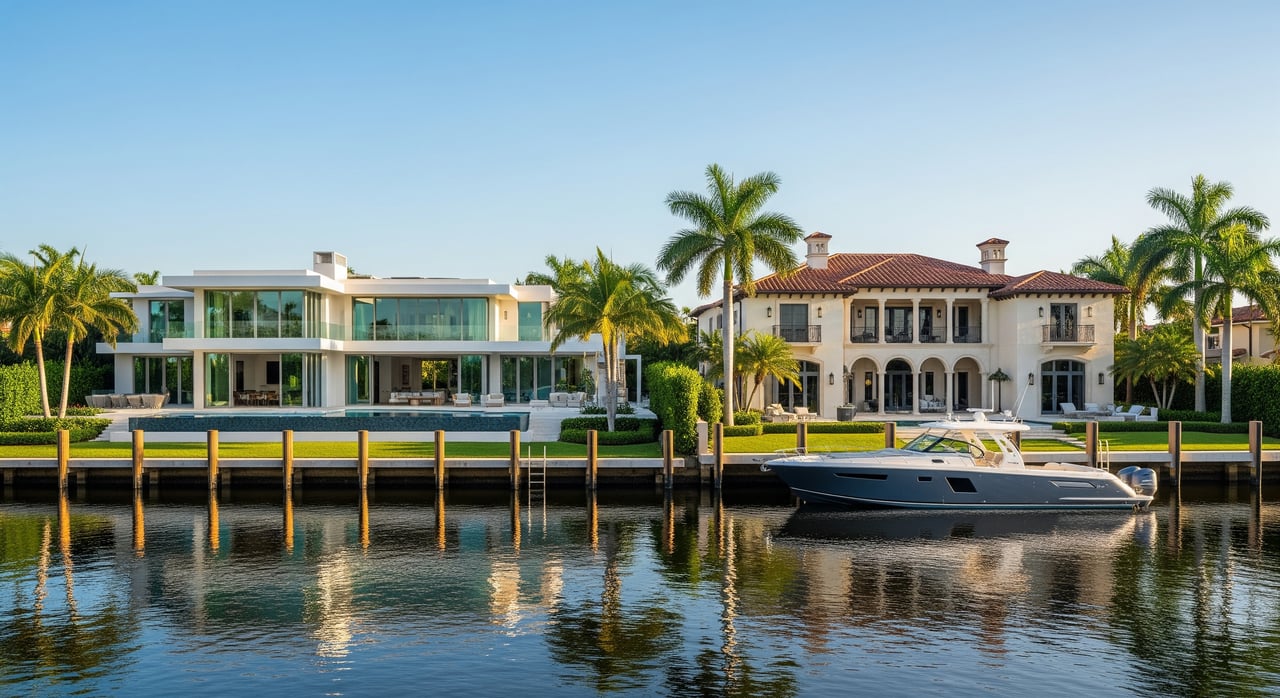
Closer to A1A and the beach, you’ll see higher-priced oceanfront or waterfront condos with expanded amenities and views. HOA fees vary by building and typically cover common-area insurance, maintenance, and amenities. Review budgets, reserve studies, and any history of special assessments to understand long-term costs.
Townhomes and single-family homes
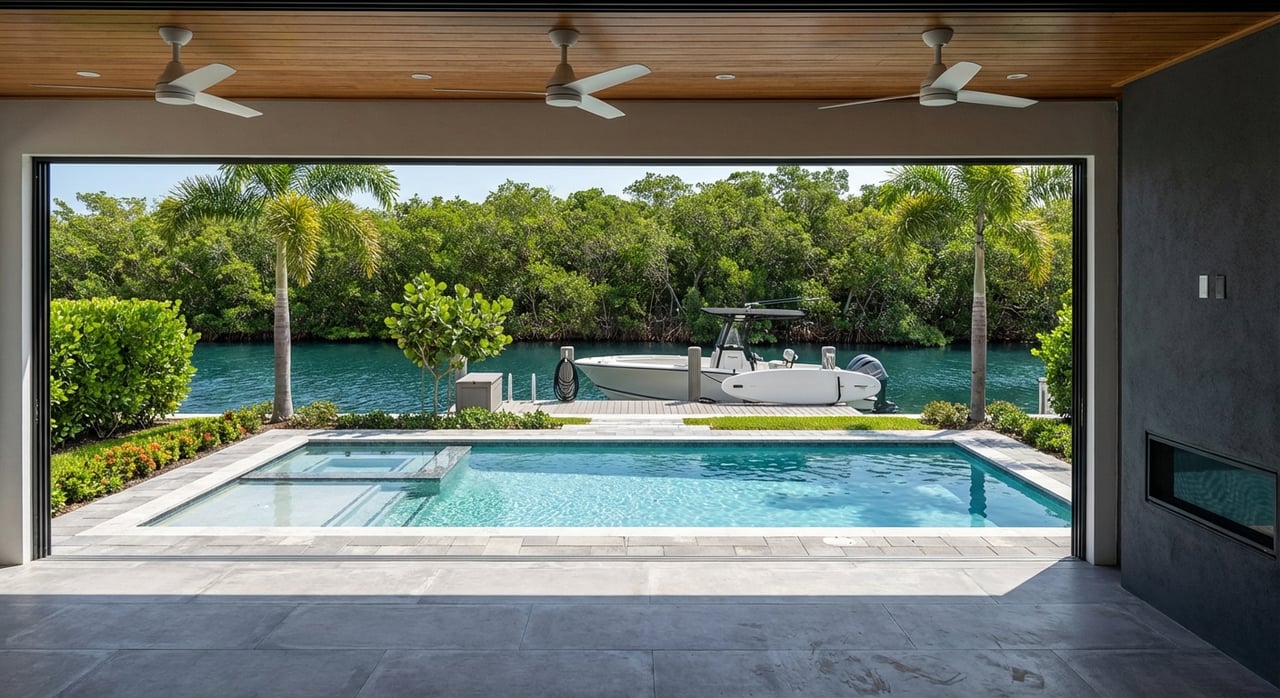
Step a few blocks off the Avenue and you’ll find townhomes, infill single-family homes, and renovated historic bungalows. Some streets feel more residential with a quieter vibe while still walkable to dining and the beach. Newer construction sometimes replaces older cottages on small lots, adding modern systems and hurricane-hardened features.
Who this area fits
- Seasonal owners who want a lock-and-leave condo near dining and the beach.
- Retirees who value walkability, culture, and access to services.
- Young professionals and small households who want urban convenience.
- Investors evaluating rental demand, with the caveat that short-term rental rules vary by city and HOA.
Practical buyer guide
Transport and regional access
Driving remains the most common way to get around the region. I-95 and US-1 run north to south inland, and Atlantic Avenue provides east–west connectivity from downtown to the ocean. Palm Beach International Airport is the closest major airport, with Fort Lauderdale-Hollywood and Miami International farther south. Brightline services the region through the West Palm Beach station for links to Miami and Fort Lauderdale, and Palm Tran buses operate along Atlantic Avenue and connect to transit hubs. Sidewalks support walking, and there are some bike facilities, though weather and road conditions can affect cycling.
Insurance and risk
Coastal homes are more likely to sit in FEMA flood zones, so your lender may require flood insurance. Windstorm coverage matters across South Florida, and premiums vary by carrier and building features. Impact glass, shutters, and roof straps can be important for mitigation and cost savings. Request flood zone status, any elevation certificates, and insurance quotes early to get a true picture of ownership costs.
Zoning and rentals
Downtown zoning supports mixed-use, but specific blocks may fall under historic or arts district guidelines. Short-term rental allowances differ by municipality and by condominium association. If you plan to rent, verify city ordinances, county rules, and HOA bylaws before you buy. Requirements and permitting can change over time.
Noise and parking
Nightlife and festivals are part of the appeal. They also mean you should check noise levels that matter for your comfort. Visit properties on weekend evenings and during high season for an authentic read. Parking can vary by building and street, from assigned garage spaces to metered street options. Confirm exactly what is included with the home.
Buyer due diligence checklist
- Visit on weekday and weekend, day and evening, and compare high season and summer.
- Review HOA budgets, reserve studies, meeting minutes, and assessment history.
- Confirm flood zone and get early quotes for flood and wind insurance.
- Inspect building systems and any engineering or structural reports, especially for older condos.
- Verify short-term rental rules, licensing, and local permitting requirements.
- Test commute times and airport access for your typical travel patterns.
Neighborhood snapshots
- Downtown core and Atlantic corridor. Highest street activity with mixed-use buildings and condos over retail. Ideal if you want to step out to restaurants, galleries, and nightlife and walk to the beach.
- Pineapple Grove Arts District. Just north of Atlantic with galleries, design studios, and public art. A blend of renovated homes, new townhomes, and condos. Slightly quieter feel while staying close to downtown energy.
- Beach corridor near A1A. Concentration of oceanfront and ocean-view condo buildings with resort-style amenities. Higher price points and easy beach access are the main draws.
- West of downtown. Blocks transitioning to older bungalows, single-family homes on larger lots, and a more residential feel. More privacy and lower noise, with a slightly longer walk to Atlantic Avenue.
Market context to know
Homes within walking distance of Atlantic Avenue and the beach often carry premiums compared with inland neighborhoods. Demand is supported by second-home buyers, retirees, and lifestyle-focused purchasers. The market is seasonal, with more activity and visitors in winter months, and well-located, move-in-ready properties seeing strong interest.
Rental demand is solid downtown for both long-term and short-term stays, but returns depend on building rules, seasonality, and operating costs like HOA fees, insurance, and maintenance. Investors should underwrite carefully with realistic assumptions about occupancy, expenses, and any rental restrictions.
Pricing and insurance conditions can shift with macroeconomic trends and regulatory changes. A focused, property-specific review of financials, building health, and insurance is essential before you write an offer.
Is Atlantic Avenue right for you
If you value a compact lifestyle with restaurants, shops, arts, and the beach all within a short walk, living near Atlantic Avenue makes daily life easier and more fun. The clear tradeoffs are premium pricing, HOA and insurance costs, and a busier environment during evenings and high season. For many buyers, those tradeoffs are worthwhile for the convenience and culture.
If you want help comparing buildings, reviewing HOA and insurance factors, or mapping your search across downtown, Pineapple Grove, the beach corridor, and nearby streets west of the core, we are here to help. Reach out to The James & Sean Group to start a property plan built around your lifestyle and financial goals.
FAQs
How walkable is living near Atlantic Avenue?
- It is highly walkable, with short distances to restaurants, shops, cultural venues, and the municipal beach, but expect more foot traffic and nighttime activity than suburban areas.
What types of homes are near Atlantic Avenue?
- You’ll find low- to mid-rise condos, mixed-use buildings, townhomes, renovated historic bungalows, and higher-priced oceanfront condos closer to A1A.
Are short-term rentals allowed near Atlantic Avenue?
- Rules vary by city and HOA; confirm local ordinances and association bylaws before purchasing if rentals are part of your plan.
How busy does it get in winter?
- High season from roughly November through April brings more visitors, fuller event calendars, and higher restaurant demand, so streets and parking are busier.
What should I budget beyond the mortgage?
- Plan for HOA fees where applicable, flood and wind insurance, routine maintenance, and any parking or local permitting costs tied to your building or block.
Which airports and transit options serve Delray Beach?
- Palm Beach International is the closest major airport, with Fort Lauderdale-Hollywood and Miami International farther south; Brightline operates from West Palm Beach and Palm Tran buses serve Atlantic Avenue.