Should you live behind a gate or on an open street in Boca Raton? It is a smart question, because the choice affects your daily routine, your monthly costs, and your long-term resale strategy. If you are weighing club life, privacy, walkability, and ownership costs, a little structure goes a long way. In this guide, you will learn the real differences between gated and non-gated living in Boca Raton, what to budget, which documents to review, and how to make a confident decision. Let’s dive in.
What you will find in Boca Raton
Boca Raton offers a wide mix of housing. Citywide home values sit in the mid six-figure range, but prices vary a lot by neighborhood and property type. East Boca and waterfront areas command higher medians, while some age-restricted condo villages trade lower. Compare at the neighborhood level rather than using a single city average.
You will commonly see the following options:
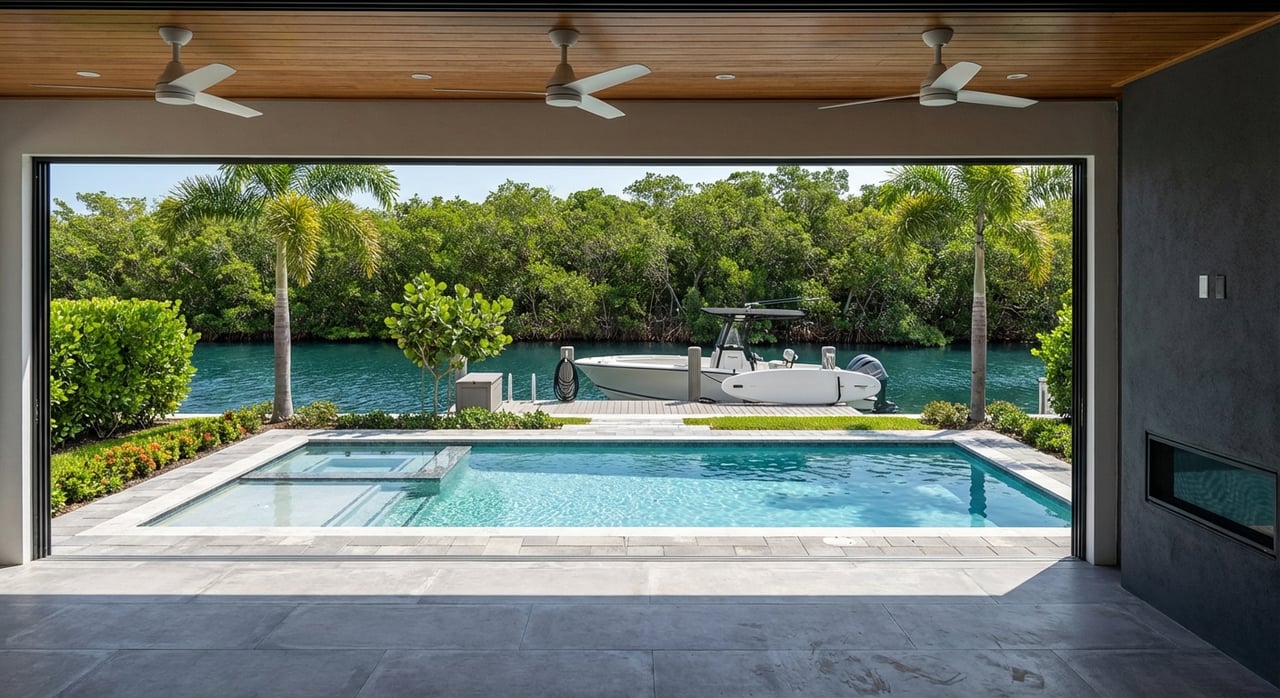
- Waterfront single-family estates (deep-water and ocean-access) in East Boca and Royal Palm. These sit at the top of the market and often include gated or guard-gated entry.
- Country-club and golf-course gated communities (Boca West, Broken Sound, Polo Club, Boca Pointe, Boca Lago styles) with a blend of single-family homes, villas, townhomes, and condos.
- Coastal and downtown condo towers near Mizner Park and along A1A. Buildings are not “gated” in the subdivision sense, but they offer concierge and secure entry with their own condo association rules.
- 55+ condominium villages and age-restricted communities that emphasize low-maintenance living and resort-style services.
Gated vs non-gated: how life feels day to day
Amenities and social programming
Gated communities in Boca often bundle lifestyle into the neighborhood itself. Expect on-site clubhouses, dining, multiple tennis and pickleball courts, fitness and spa facilities, resort pools, and social calendars. Marina communities may add private docks. These bundled amenities shape your routine and are a primary reason many buyers choose gated living.
Non-gated neighborhoods, including many downtown condos, trade some of that on-site programming for outside access. You gain easier walkability to shops, dining, and events and sometimes more predictable monthly fees if amenities are lighter.
Security and privacy
Gated communities control access through guarded or card-controlled entries and managed guest lists. Residents often report a stronger sense of privacy and order. Academic research finds that gating tends to increase perceived safety, while measured crime reductions vary by context. If safety perception is a key driver for you, it is useful to know that research consistently shows perception gains even when crime effects are mixed.
Community scale and convenience
- Large master-planned and golf communities feel more self-contained with club services on site. That can make life simpler if you want activities close to home.
- Non-gated neighborhoods, townhomes, and downtown condos lean into location convenience. You may give up some privacy, but you gain an easy link to restaurants, parks, and the beach.
What it costs: beyond the purchase price
Your monthly cost in Boca is driven by more than your mortgage. Run a full model before you write an offer.
HOA and club costs
- HOA dues vary widely by property type and what they include. You can see a few hundred dollars per month up to four figures for amenity-rich condos. Always verify what is covered (landscaping, cable/internet, security, building insurance, reserves).
- Club initiation fees can be significant in equity club communities. In Boca’s most exclusive clubs, initiation can run from the high five figures into six figures, and membership may be mandatory. Confirm whether a community has required membership, what type it is (equity or non-equity), and whether fees are refundable.
Taxes, CDDs, and special assessments
In Palm Beach County, property taxes are only part of the picture. Some master-planned areas use Community Development Districts (CDDs) to finance infrastructure. These show up as non-ad valorem assessments on your tax bill and are separate from HOA dues. Review current assessment schedules through Palm Beach County’s non-ad valorem resources.
Insurance and risk
South Florida has some of the highest homeowner insurance premiums in the country. Wind coverage, deductibles, and flood insurance needs vary by parcel, building age, and mitigation features. Waterfront and older structures can be more expensive to insure. Get quotes early and use conservative numbers. For context, regional reporting shows South Florida counties paying well above state and national averages for homeowners coverage. See recent trends summarized by Insurance Journal’s Florida market coverage.
The complete ownership-cost model
Before committing, model the following for each property you like:
- Mortgage principal and interest
- Property taxes (plus any CDD or special district assessments)
- Homeowners insurance, windstorm, and flood (if required)
- HOA dues and master association dues
- Club dues and initiation (if applicable)
- Routine maintenance and reserves for capital items
HOA and condo rules you need to know
Florida’s HOA and condo laws set how associations are run and what they must disclose. Understanding them helps you spot red flags early.
Key Florida statutes to review
- Homeowners’ associations are governed by Chapter 720. It outlines budget duties, reserves procedures, records access, and owner rights. You can review the statute text for Chapter 720.303 (association records and finances).
- Condominiums are governed by Chapter 718. Since 2022, high-rise condos must follow stricter safety and reserve rules. Read the current Chapter 718 to understand governance, assessments, and disclosures.
High-rise condos: inspections and reserves after Surfside
Florida’s post-Surfside law (often referenced as SB 4-D) requires milestone structural inspections and Structural Integrity Reserve Studies for buildings three stories or higher. Associations must fund structural reserves based on these studies. Ask for copies of recent reports and planned projects. The Florida Senate’s summary of SB 4-D provides helpful context.
Your due-diligence packet: what to request
Request these documents before going firm on a contract. If you cannot get them pre-offer, make your offer contingent on satisfactory review.
- Recorded declaration, CC&Rs, bylaws, and rules (include amendments)
- Current budget, year-to-date financials, reserve balances, and the latest reserve study
- Board meeting minutes for the last 12–24 months and any pending or approved special assessments
- Master insurance certificates and recent claim history
- Any pending litigation or arbitration matters
- Rental policy and occupancy rules, plus adoption dates for any newer restrictions. Florida places limits on retroactive enforcement of some rental rule changes, so confirm timing. For background on how associations approach short-term rental restrictions, see this overview of HOA rental rules in Florida
- If waterfront: copies of seawall and dock permits, plus maintenance responsibilities and recent condition reports
Resale and liquidity: what the data suggests
Do gates boost value? Many hedonic pricing studies find that gated communities can carry a price premium compared to matched non-gated properties, often in the single-digit to low-teens percentage range. The premium varies by location, amenity package, and market cycle, and it is not universal. During slowdowns, higher dues or mandatory memberships can narrow the buyer pool. The takeaway is simple: rely on hyperlocal comps. For a research perspective, review findings on gated-community premiums and amenity differentials.
A simple decision framework for Boca buyers
Use this four-part process to choose between gated and non-gated living.
Step 1: Rank your lifestyle priorities
- Do you want daily or weekly club programming (tennis, pickleball, golf) with on-site dining and events, or do you prefer downtown convenience and walkability?
- Is boating access non-negotiable? If yes, focus on East Boca waterfront and communities that allow docks, and verify permits.
- Are you comfortable with mandatory membership buy-ins and higher dues, or do you prefer lower, more predictable monthly costs with fewer amenities?
Step 2: Build a conservative cost model
Gather written quotes and disclosures for both a gated and a non-gated option you like. Include mortgage payments, property taxes, any CDD or non-ad valorem assessments, HOA dues, club dues and initiation, insurance (home, wind, flood), and a maintenance reserve. For taxes and assessments, use Palm Beach County’s non-ad valorem guidance. For insurance assumptions, lean conservative based on recent Florida premium trends.
Step 3: Review the association’s health
Use the due-diligence checklist above. For HOAs, confirm your records and financial access under Chapter 720.303. For condos, request milestone inspection and reserve study reports as required under Chapter 718 and the post-Surfside framework.
Step 4: Judge resale dynamics for your submarket
Request a comp set inside the same sub-association for gated communities or within the immediate neighborhood for non-gated. Compare days on market, frequency of sales, and list-to-sale price ratios. Academic research suggests premiums are local and time-sensitive, so your best signal is recent, like-for-like sales.
Quick pros and tradeoffs
- Gated communities: Stronger sense of privacy and order, bundled amenities and club life, potential price premium. Tradeoffs include higher dues, possible buy-in fees, and narrower rental flexibility.
- Non-gated living: Greater walkability and location choice, potentially lower and more predictable monthly dues, simpler governance. Tradeoffs include less controlled access and fewer on-site amenities.
Final take
There is no single right answer for Boca Raton. If your best days include morning tennis, club dining, and events steps from home, a gated community likely fits. If you want to stroll to Mizner Park, keep fees lean, and choose your own fitness or social options, a non-gated or downtown condo may be a better match. The key is to weigh lifestyle first, then confirm the numbers and the association’s health.
If you want a clear, numbers-forward comparison tailored to your short list, schedule a complimentary consultation. Our team will model gated and non-gated options side by side and walk you through dues, insurance, and resale dynamics so you can choose with confidence. Start the conversation with James Lopez.
FAQs
What is the main difference between gated and non-gated living in Boca Raton?
- Gated communities bundle privacy controls and on-site amenities like clubhouses, sports facilities, and social programs. Non-gated options trade some privacy for walkability and often simpler, more predictable monthly fees.
Do gates actually make homes safer in Boca Raton?
- Residents typically feel safer in gated communities, but measured crime reduction varies by area and study. A systematic review finds perception gains are more consistent than crime changes. See the research summary on gating and safety.
How much more will I pay in a Boca gated community?
- Expect higher HOA dues and, in some club communities, a sizable initiation fee. Dues can range from a few hundred dollars per month into four figures for amenity-heavy condos. Model totals over 5–10 years and confirm exactly what dues include.
Which documents should I review before buying into a Boca HOA or condo?
- Request governing documents, budgets, reserve studies, minutes, insurance certificates, litigation disclosures, and rental rules. Florida law outlines owner access and disclosure under Chapter 720.303 for HOAs and Chapter 718 for condos.
What is SB 4-D and how does it affect Boca condo buyers?
- SB 4-D established milestone structural inspections and mandatory structural reserves for buildings three stories or higher. Ask for the latest inspection and reserve study. Learn more in the Florida Senate’s SB 4-D summary.
How do CDD assessments impact monthly costs in Palm Beach County?
- CDDs fund community infrastructure and appear on your property tax bill as non-ad valorem assessments. They are separate from HOA dues. Check current schedules via Palm Beach County’s non-ad valorem page.