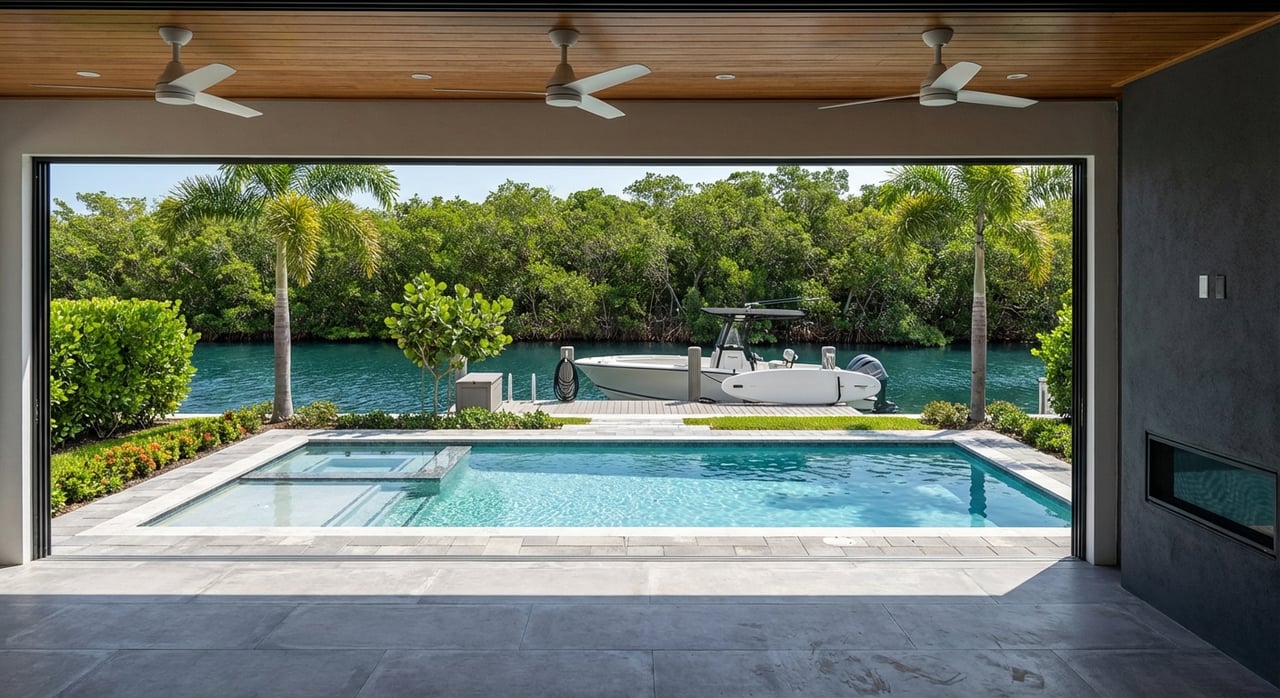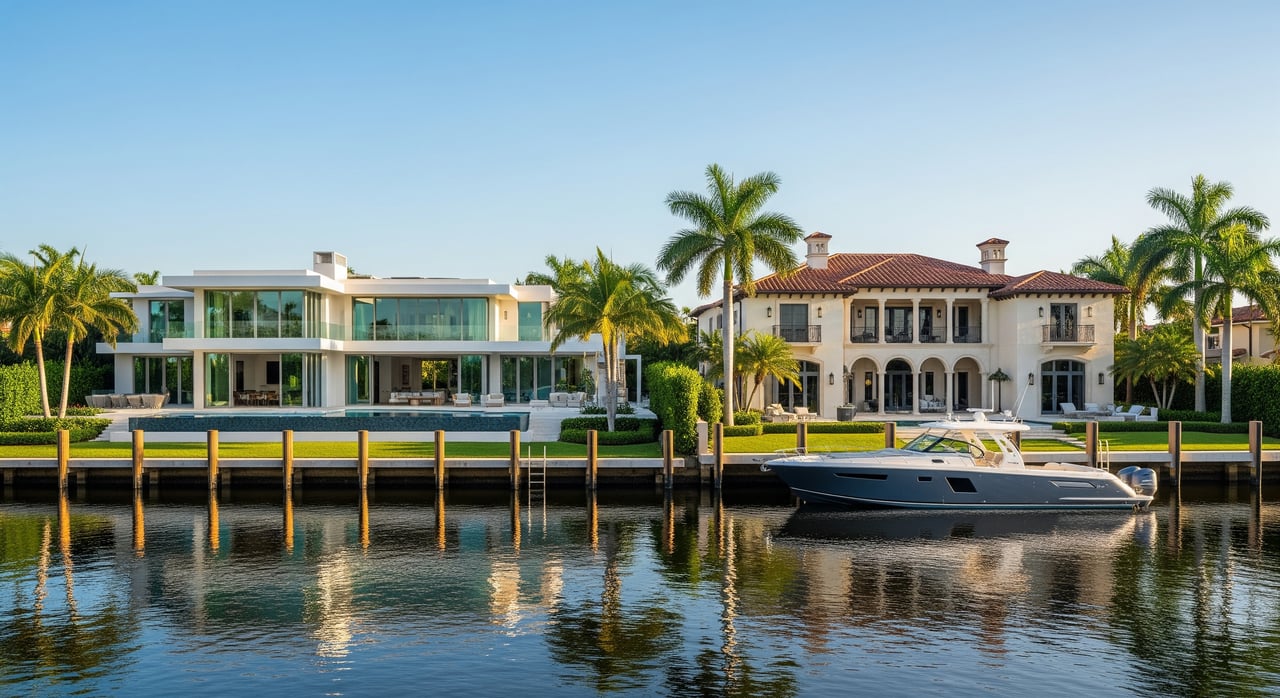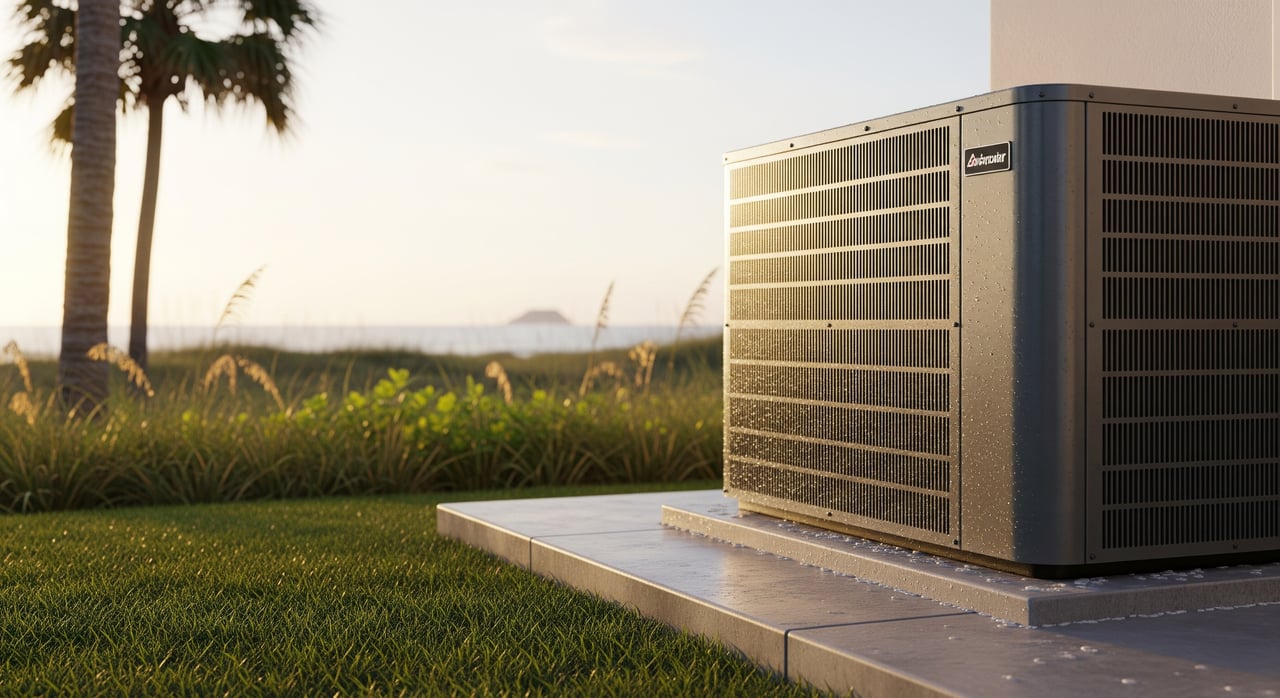
Live near the Intracoastal or a marina in Boynton Beach? Salt air can quietly chew through your AC’s outdoor unit, driving up bills and shortening its life. You want reliable cooling without surprise repairs, especially during our hottest, most humid stretches. In this guide, you’ll get a clear maintenance cadence, simple cleaning steps, smart coastal upgrades, and efficiency pointers tailored to Boynton’s salt air. Let’s dive in.
Why Boynton salt air matters
Salt‑laden breezes from the Atlantic and the Intracoastal increase corrosion risk on outdoor AC equipment in Boynton Beach. Homes right on the water or within a few blocks of marinas see the most exposure. Over time, salt crusts can reduce heat transfer, force longer run times, and stress compressors and electrical parts.
If your property sits within about a mile of open saltwater, treat your system like a “coastal” installation. If you are next to a marina or in a direct splash or spray zone, step up protection and service.
Set your maintenance cadence
A consistent schedule keeps efficiency up and corrosion down. Adjust based on how close you are to saltwater and prevailing winds.
For marina and waterfront homes
- Rinse the outdoor condenser with fresh water every 1 to 2 weeks during high‑salt periods. Use a gentle spray. Avoid high pressure that can bend fins or push salt deeper.
- Do a quick visual check weekly to spot salt crust, debris, or unusual noises.
- Plan professional coil cleaning every 3 months. This restores heat transfer and eases compressor load.
- Schedule professional inspections every 6 months to test refrigerant levels, electrical connections, capacitors, fan motor condition, and thermostat calibration.
For inland or lower exposure
- Rinse every 2 to 4 weeks if you notice salt film or after breezy days from the east.
- Keep vegetation trimmed to maintain 24 to 36 inches of clear airflow around the unit.
- Book at least one full preventive maintenance visit each year. Coastal homes still benefit from a semiannual tune‑up.
Coil cleaning basics
- Fresh‑water rinses are your first line of defense. They remove salt film that slows heat transfer.
- For deeper cleaning, use a pro or follow manufacturer guidance. Aggressive chemicals or pressure washers can damage fins and void warranties.
- Document service dates and photos. This helps track corrosion and supports warranty claims or replacement planning.
Use corrosion‑resistant parts
Upfront protection reduces long‑term wear in Boynton Beach’s salt air.
Manufacturer coastal packages
- Ask about factory coastal or marine options that include coated coils, corrosion‑resistant hardware, and protective cabinet finishes.
- Look for coated condenser coils or hydrophobic, epoxy, or e‑coatings that resist salt and clean easily.
- Specify stainless or coated fasteners and hardware. 316 stainless is commonly recommended in marine environments.
Aftermarket coatings and warranties
- Approved coil coatings can extend coil life, but policies vary by brand. Confirm warranty impacts with your manufacturer or installer before applying any coating.
- Include coating checks in service visits and follow reapplication schedules as recommended.
Smart installation choices
- Elevate condensers above expected splash or flood levels.
- Use louvered windbreaks that block direct spray without choking airflow.
- Site and orient the unit to minimize exposure to boat wakes, salt drift, and prevailing onshore winds while preserving service access.
- Choose corrosion‑resistant drain pans and condensate lines to reduce leaks and staining.
Salt‑air inspection checklist
Use this quick list during your regular checks or when meeting your HVAC tech.
- Visual signs: salt crust on fins and grilles, white deposits on metal, pitting or discoloration on coils and fittings, rust on cabinet seams and brackets.
- Electrical: brittle insulation, oxidized terminals, corroded contacts, frequent breaker trips, or capacitor issues.
- Mechanical: fan blade corrosion or imbalance noises.
- Performance: longer run times or weak airflow that point to reduced coil efficiency.
- Refrigerant: inspect service valves and brazed joints for leaks, especially where corrosion is visible.
- Documentation: log model and serial numbers, service dates, and photos to track progression and inform repair or replacement decisions.
Reduce runtime and save energy
Less runtime means less salt exposure over time. Pair maintenance with smart efficiency steps.
- Set reasonable thermostat targets and use programmable or smart thermostats to reduce unnecessary cooling cycles.
- Improve the home envelope with insulation, attic ventilation, shading, reflective roofing, and window treatments to lower heat gain.
- Keep indoor humidity in check to maintain comfort at higher setpoints and reduce overall AC runtime.
- Check Florida Power & Light and Palm Beach County programs for possible rebates on high‑efficiency AC systems, smart thermostats, and home energy assessments. Incentives change, so review current offers before upgrading.
Plan for replacement early
Direct marine exposure can shorten outdoor unit lifespan compared with inland homes. If your condenser sits close to the Intracoastal or a marina, plan ahead. Keep a maintenance log and consult with a licensed HVAC pro to budget for earlier replacement based on service history and corrosion levels.
Quick homeowner checklist
- Weekly to biweekly: rinse the outdoor unit with fresh water if you are near the water or see salt film; do a quick visual check.
- Monthly: trim vegetation, clear debris, inspect for rust and damaged wires, and check the condensate drain for blockages.
- Every 3 months in high exposure or 6 months in moderate exposure: schedule professional coil cleaning and inspection.
- Annually: book a full tune‑up that includes refrigerant and electrical checks, deep coil inspection, and a corrosion assessment; document everything.
- At replacement: specify a coastal package, coated coils, stainless hardware, and protective finishes; site the unit to avoid direct spray and confirm any warranty impacts from coatings or site changes.
Protect comfort and value
A clean, efficient AC keeps your Boynton Beach home comfortable and protects your operating costs. For waterfront and marina‑area properties, a coastal maintenance plan also helps preserve equipment condition that buyers and inspectors notice. If you are planning to sell or buy near the water, we can connect you with local HVAC pros who know coastal systems and help you factor AC condition into pricing and negotiations.
Ready to align your home strategy with Boynton’s coastal realities? Schedule a complimentary market consultation with The James & Sean Group.
FAQs
How often should I rinse an AC near a Boynton marina?
- For high‑exposure marina or waterfront locations, rinsing the outdoor unit with fresh water every 1 to 2 weeks during salty periods is a common best practice.
What is a coastal package for AC systems?
- A coastal or marine package typically includes coated coils, corrosion‑resistant hardware, and protective cabinet finishes designed to reduce salt‑air corrosion.
Can I pressure‑wash my condenser coils?
- No. High pressure can bend fins and drive salt deeper, which reduces efficiency and may void warranties; use gentle fresh‑water rinses and professional cleanings.
Do Boynton Beach homeowners get utility rebates for AC upgrades?
- Check Florida Power & Light and Palm Beach County resources for current residential incentives on high‑efficiency systems, smart thermostats, and energy assessments.
How does salt air affect AC lifespan near the Intracoastal?
- Salt deposits accelerate corrosion on coils, fasteners, and electrical parts, which can shorten service life and increase failure risk compared with inland units.
What should I ask an HVAC contractor about coastal maintenance?
- Ask about rinse cadence, recommended coil cleaning intervals, coating options and warranty impacts, stainless hardware availability, and examples of local marina‑area work.