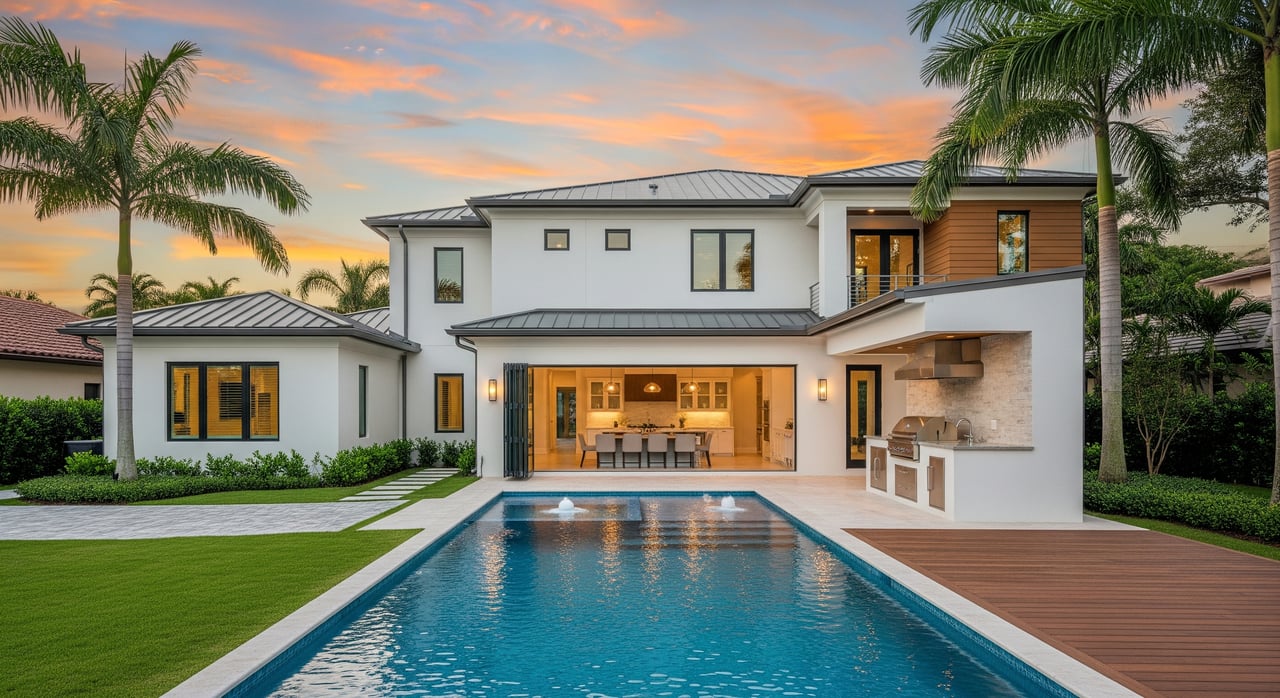
Wondering which upgrades actually move the needle when you sell in Parkland? You are not alone. In our market, buyers often prioritize resilience, outdoor living, and convenience features that fit the South Florida lifestyle. This guide highlights four improvements Parkland buyers consistently value and how to plan them so you protect your time and budget. Let’s dive in.
What Parkland buyers value now
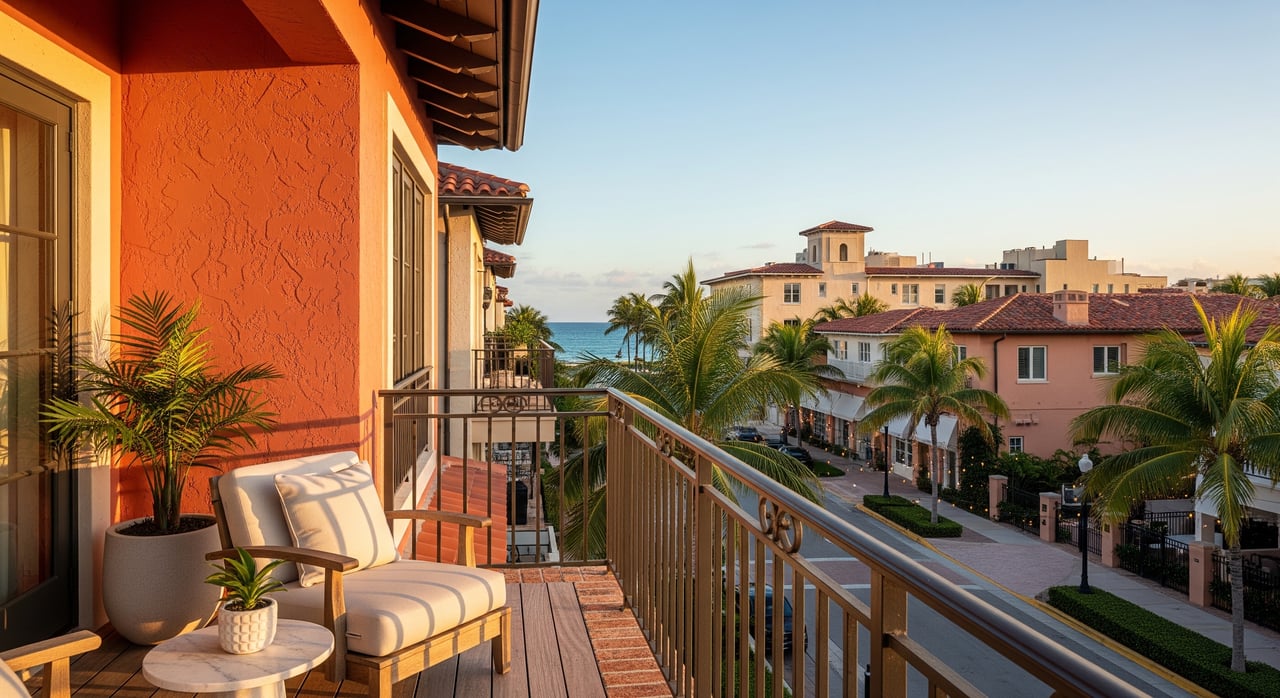
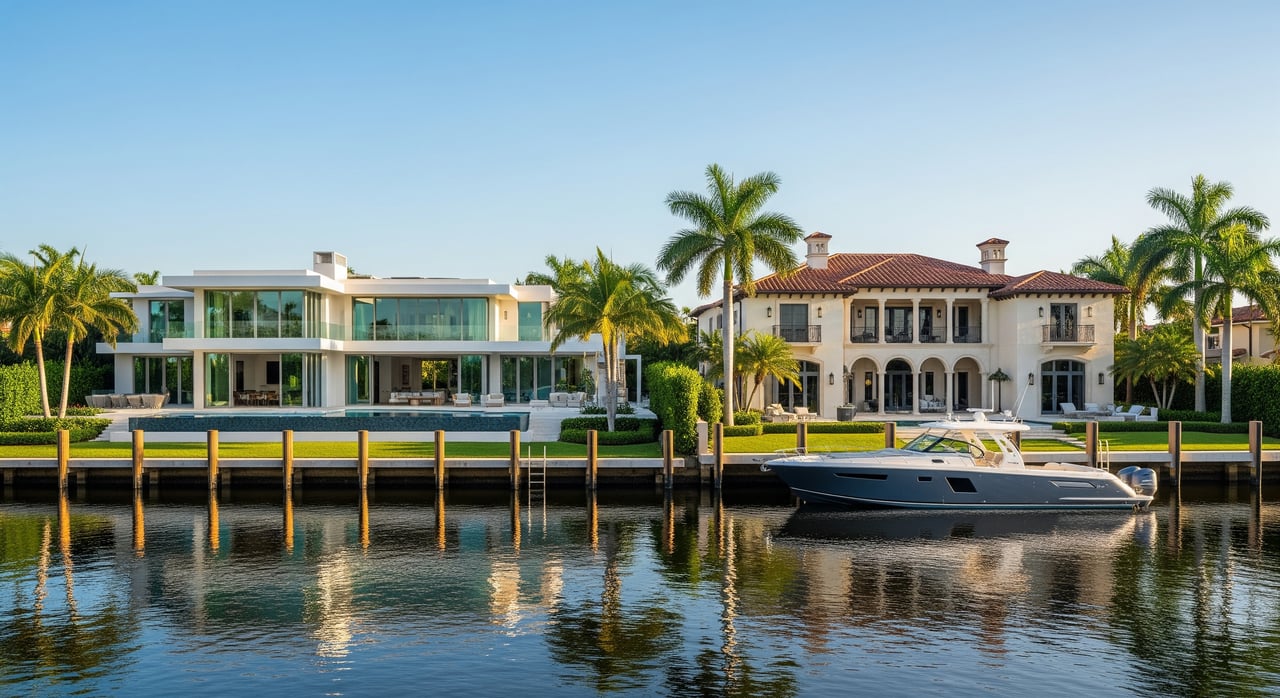
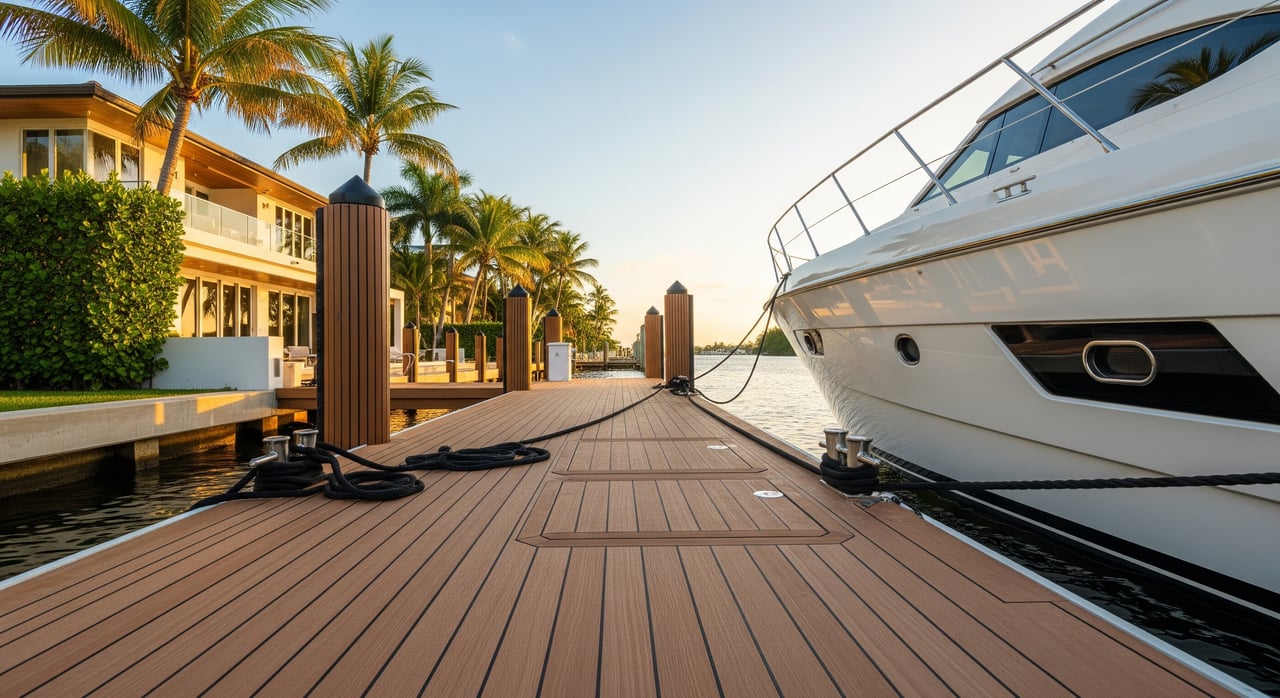
Parkland sits in northern Broward County, where many buyers expect hurricane-ready homes, premium outdoor spaces, and turnkey condition. Insurance and storm resilience matter more here than in inland markets, so features like impact windows and doors can be difference makers. Outdoor living is a close second, with pools and functional covered spaces drawing attention. Convenience upgrades such as home EV charging are also gaining traction with commuter and lifestyle buyers.
Impact windows and doors
Why it matters
Impact-rated windows and doors address two big buyer concerns in South Florida: storm safety and insurance risk. In hurricane-prone markets, buyers often view these as near essential. Documented, code-compliant products help reduce perceived future costs and can make your home stand out in Parkland.
Cost, permits, and insurance
Whole-house retrofits in South Florida typically range from about $15,000 to $60,000 or more, depending on home size, product selection, and scope. Installations usually require permits and inspections that meet Florida Building Code and local City of Parkland requirements. Many insurers offer wind mitigation discounts when you document compliant products, but the benefit varies by carrier and policy.
ROI in Parkland
Impact openings tend to recoup a higher share of cost than many other projects in Florida markets. In Parkland, estimated cost recovery often ranges higher as price tier increases, because buyers expect premium finishes and resilience in upper segments.
Seller tips
- Prioritize impact upgrades if your windows are original, visibly aged, or single pane.
- If full replacement is not feasible, ensure any existing protection is clean, working, and well documented.
- Keep permits, product approvals, and warranties organized for buyers and insurers.
Outdoor kitchens
Why it matters
Outdoor living anchors the South Florida lifestyle, and Parkland buyers respond to usable, covered spaces that extend daily living outside. A tasteful grilling station or full outdoor kitchen can elevate your patio and help buyers picture entertaining at home. Execution quality and fit to the home’s price tier matter more than sheer size.
Cost and permits
Projects range widely. A simple built-in grill with counter space might run about $8,000 to $25,000, while a fully outfitted kitchen with gas, plumbing, refrigeration, and stone counters can exceed $25,000 to $100,000 or more. Permanent installations typically require building, electrical, and gas permits, with licensed contractors handling hookups and inspections.
ROI in Parkland
Recoup for outdoor kitchens is modest to moderate on average, with stronger results in Parkland’s mid to luxury tiers where lifestyle amenities are expected. Overbuilt or poorly integrated designs can be hard to justify, especially outside the top of the market.
Seller tips
- Favor durable materials, shade, lighting, and smart layout over extra appliances.
- Coordinate finishes with your home’s style and existing hardscape.
- If budget is tight, upgrade counters, replace worn components, and refresh landscaping rather than starting from scratch.
Saltwater pools
Why it matters
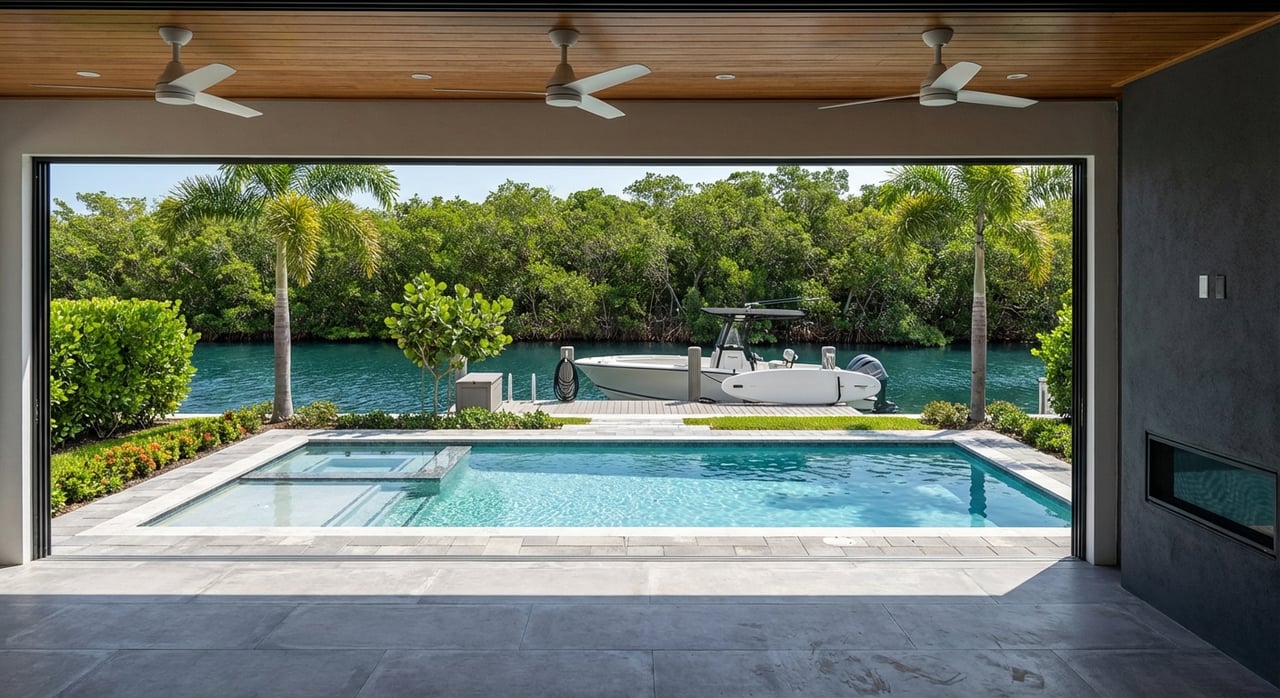
In Parkland, a pool is often expected in higher-priced homes and common in many mid-priced properties. Saltwater systems appeal for softer-feeling water and simpler chemical handling, but most buyers prioritize a clean, well-maintained pool over the specific system type.
Cost and permits
New in-ground pools commonly start around $40,000 to $60,000 for basic designs, while high-end builds with features and automation often exceed $75,000 to $150,000. Pools require permits, inspections, and safety compliance, such as barriers, alarms, or fencing per local code.
ROI in Parkland
Adding a new pool typically has lower recoup than many interior projects. That said, in Parkland’s upper price tiers where a pool is expected, a well-designed pool can approach cost recovery more closely. For most sellers, investing in maintenance, resurfacing, and equipment updates on an existing pool yields better near-term value than building a new one.
Seller tips
- Prioritize water clarity, resurfaced finishes if needed, and serviced equipment.
- Update controls and automation for convenience and energy efficiency.
- If your neighborhood and tier expect pools but you do not have one, weigh the build time and cost against listing strategy and comps.
Home EV charging
Why it matters
As EV ownership rises, a Level 2 home charger is a useful convenience that can help your listing stand out. In Parkland’s commuter-friendly, affluent segments, buyers often see EV readiness as a modern must-have.
Cost and permits
Most wall-mounted Level 2 units cost about $400 to $900, with typical installed totals around $600 to $3,000 depending on panel capacity, distance from the panel, wiring, and permits. Electrical permits are standard, and panel upgrades may add cost and lead time when required.
ROI in Parkland
Direct dollar recoup is modest, but buyer preference uplift is real. EV-ready infrastructure can attract more shoppers, make day-to-day life easier, and support marketing differentiation.
Seller tips
- Install a Level 2 unit if your panel has capacity and the run is short.
- If a major panel upgrade is needed, consider offering a credit or pre-wiring.
- Provide clear documentation, charger manuals, and any app access.
ROI snapshot by price tier
Use these directional ranges to frame expectations. Your actual outcome will depend on quality, permits, documentation, neighborhood comps, and timing.
| Upgrade | Tier A: Entry/Mid | Tier B: Mainstream | Tier C: Upper/Luxury |
|---|---|---|---|
| Impact windows/doors | 55%–75% | 65%–85% | 70%–90% |
| Outdoor kitchen | 25%–45% | 35%–60% | 50%–80% |
| Saltwater pool (new) | 20%–40% | 30%–55% | 45%–75% |
| EV charging (Level 2) | 10%–30% | 20%–40% | 25%–50% |
Plan your projects on a 6–18 month timeline
If you plan to list within the next year or so, sequence projects to reduce stress and maximize market impact.
- Months 12–18: Decide on major items. If you lack hurricane protection and your tier expects it, price out impact windows and doors and start permitting. For luxury homes without a pool, confirm whether top comps justify a pool build.
- Months 6–12: Execute or finalize major installations. Schedule inspections and gather warranties and product approvals. For outdoor kitchens, lock in design, materials, and licensed trades.
- Months 3–6: Focus on refreshes that show well. Service pool equipment, pressure-wash pavers, touch up paint, update landscape lighting, and declutter outdoor areas. Install a Level 2 EV charger if panel capacity allows.
- Final 1–2 months: Stage and document. Photograph outdoor spaces at golden hour, highlight resilience and EV readiness in marketing, and prepare a binder with permits, approvals, and maintenance records.
Marketing, documentation, and insurance
Buyers pay attention to presentation and proof. Clean work, consistent finishes, and visible quality make upgrades feel valuable rather than optional.
- Keep a project file with permits, final inspections, product approvals, and warranties.
- Ask your insurance agent to outline potential premium impacts of wind mitigation, then keep any inspection forms for buyers.
- In listing remarks, highlight impact windows and doors, recent pool equipment, outdoor kitchen features, and EV readiness. Clear, neutral language helps buyers compare your home to local comps.
Ready to prioritize the right improvements for your Parkland sale? Get a data-informed plan, vetted contractor options, and premium presentation that meets buyers where they are. Schedule a complimentary market consultation with The James & Sean Group.
FAQs
What home upgrades do Parkland buyers value most?
- Impact windows and doors, well-executed outdoor living spaces, clean and functional pools, and convenient features like Level 2 EV charging tend to attract the most attention.
Are impact windows worth it before selling in Parkland?
- Yes in many cases, especially if your current windows are dated or unprotected, because resilience and insurance concerns make impact-rated openings a frequent buyer priority.
Should I add a new pool to boost my sale price?
- Often no, unless your neighborhood and price tier clearly expect it; for most sellers, improving an existing pool’s condition and equipment provides better near-term value.
Do outdoor kitchens deliver strong ROI in Parkland?
- Recoup is moderate on average, with stronger results in mid to luxury tiers when the design is durable, shaded, and integrated with the home’s hardscape and landscaping.
Is a Level 2 EV charger a must-have to list my home?
- It is not required, but it is a low-cost, high-appeal convenience that can differentiate your listing and signal a modern, move-in-ready home.
How should I time permits and inspections for upgrades?
- Plan weeks to months depending on scope, start permitting early, and keep final inspections and documentation organized so buyers and insurers have clear proof of compliance.